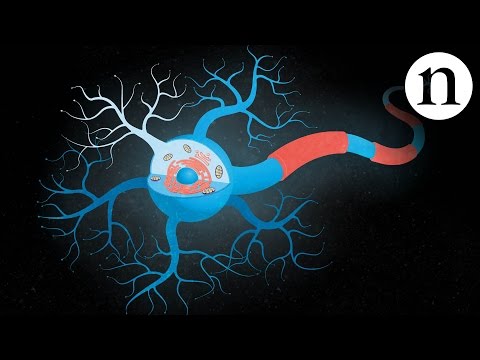


ALS is a disease of the nervous system that affects the muscles of the mouth, throat, and vocal cords. It is characterized by chemical imbalance, a mishandling of proteins, and neuronal contractures. Its treatment is aimed at alleviating these symptoms. There are several drugs available to help ALS patients manage their symptoms.
ALS causes chemical imbalance
ALS is a progressive neurodegenerative disorder that results in the breakdown of nerve cells. The disease is characterized by a chemical imbalance involving ubiquilin2, which is responsible for reading DNA and generating messenger RNA, a blueprint used by cells to make proteins. In patients with ALS, this process does not work properly, which results in an accumulation of damaged proteins in critical nerve cells. This imbalance also leads to an overproduction of free radicals, which can damage the DNA and other cellular structures.
The disorder can occur at any age, but it is most common in people over 40. While there is no single definite cause for sporadic ALS, genetic mutations have been associated with an increased risk of developing the condition. Environmental factors have also been linked to sporadic ALS. These include exposure to pesticides and electromagnetic fields.
ALS is caused by a chemical imbalance in the brain. A chemical messenger called glutamate sends messages from the brain to nerve cells. However, glutamate is toxic to some nerve cells and overstimulation can cause cell death and inflammation. As a result, the disease can lead to progressive muscle weakness and death.
Treatment for ALS is aimed at alleviating symptoms and slowing down the disease’s progression. It requires individualized therapy and medication adaptation. Some patients may need mechanical ventilation. This process involves the use of a respirator connected to a tube that is placed through a surgically created hole in the neck. Other therapies may help ease symptoms, such as physical therapy.
Disorganized immune response
There are many factors that influence the immune response in ALS disease, including genetic mutations and chemical imbalances. Understanding the mechanisms of disease progression can guide researchers in the development of therapeutic agents that will regulate specific targets. For example, scientists are now looking at the role of mishandled proteins within nerve cells.
While ALS disease is not considered to be an autoimmune disease, many researchers have hypothesized that the disorder may be caused by a disorganized immune response. A disorganized immune response causes the immune system to attack normal nerve cells, which causes the disease. It is not known exactly how this happens, but scientists believe that genetics play a major role in some cases. Studies have found that nine out of ten cases of ALS have spontaneous gene mutations that cause abnormal protein production. However, the exact trigger for the disease is still unknown, and more research is needed.
Some studies have shown that ALS patients have upregulated gene expressions of TLR4 signalling proteins. These genes are associated with increased activity of monocytes and macrophages in ALS patients. These findings may help explain the role of inflammation in ALS disease. While the immune system may play an important role in the development of ALS, it should not be used as the only treatment for the disease.
ALS affects people of all ages, including children. It is particularly common among Gulf War veterans. An ongoing study conducted by the Veterans Health Administration has identified that Gulf War veterans are more susceptible to developing this disease than other people. Researchers are still determining the exact cause of ALS, but they do know that the disease is caused by an imbalance in the immune system. The immune system may attack body cells, which causes nerve cell death in ALS patients.
Protein mishandling
Protein mishandling is a critical part of the ALS disease process. This process is required for the proper transport of proteins from the cell body to the neurofilament, where they are recycled. Researchers have identified that protein mishandling occurs at an early stage, which could suggest an early intervention for the treatment of ALS.
In people with ALS, protein mishandling causes abnormal protein formations inside the nerve cells. This can eventually destroy these cells. The protein accumulation in these nerve cells is a result of a disorganized immune response that eventually leads to their death. Protein mishandling in ALS disease has a number of potential causes, but one major cause is unknown.
In the current state of ALS, protein-RNA assemblies serve as focal proteins of protein mishandling. These complexes recruit native proteins and convert them into misfolded forms. This mechanism of self-perpetuation of misfolded proteins is a twisted version of classical prion replication. It may explain the rapid progression of the disease in the diseased state.
Moreover, mutant proteins are known to trigger ER stress. Therefore, ER stress could play an important role in ALS disease. Further, manipulating ER stress may serve as a novel therapeutic target for ALS.
Neuronal contractures
Neuronal contractures in ALS disease occur in a variety of body regions. Most often they begin in the lower limb, but they can also occur in the bulbar region. Symptoms of the disease can also affect the swallowing, speaking, and breathing muscles. If a motor neuron is involved, spasticity and hyperreflexia may occur. Patients with upper motor neuron involvement may also exhibit Babinski’s sign, which causes the large toe to extend upward when the sole of the foot is touched. Those with lower motor neuron involvement may experience muscle weakness, cramps, and fasciculations.
Neuronal contractures in ALS disease are typically the result of damage to the motor neuron. During the final stages of the disease, a patient’s ability to perform daily tasks may become impaired. A clinical assessment of the patient’s activities of daily living will determine the level of care needed. It will also be useful in monitoring disease progression.
The motor neuron in the brain stem and spinal cord controls the muscles in our bodies. As such, when motor neurons in the brain degenerate, messages cannot reach the muscles. As a result, the muscles weaken and atrophy. The muscles also develop fine twitches. In the course of the disease, these contractures may lead to loss of voluntary movement and the inability to start voluntary movements.
Research into ALS is ongoing, and there is no cure. However, scientists are working on biomarkers of the disease that could serve as diagnostic tools and markers of disease progression. These markers can be derived from bodily fluid, imaging studies of the brain, and electrophysiological measures of nerve and muscle function.
Survival
This meta-analysis has identified five independent predictors of survival for patients with ALS. They include age at onset, respiratory subtype, biochemical index, and clinical manifestations. These factors may be useful for clinical trials and healthcare providers, but further research is needed to identify more effective ways to improve patient survival.
Serum creatinine and CK reflect the muscle’s metabolic rate, and have been used as biomarkers for survival in ALS. However, two studies with small sample sizes have shown no difference in survival between patients with elevated or normal serum CK levels. Nevertheless, the serum creatinine level was found to be an independent prognostic factor for survival in a registry study of 638 ALS patients.
In the study, the average survival was higher for younger patients than older patients. This was due to a more benign disease course. Moreover, the younger the patient, the lower the risk of relapse. In addition, patients with spinal ALS had a shorter survival time than those with the bulbar form. This is consistent with results from other studies in different populations. Genetic factors may also contribute to survival, particularly the apolipoprotein Eepsilon-4 allele.
However, this disease is complex and has no definitive cause. Nine out of 10 ALS patients do not have an obvious genetic history, affected relatives, or other clues that could help determine what causes the disease. Thus, there is no definitive treatment for ALS yet, but diet does play a role in determining the course of the disease.