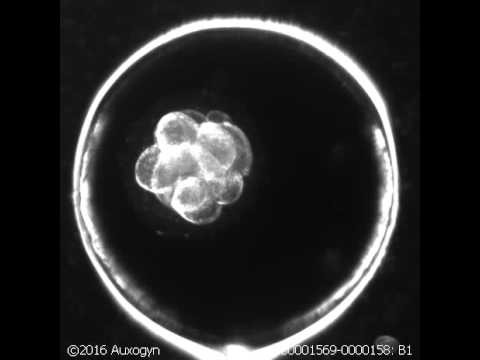


Embryos are the result of the fertilization of a fertilised egg by a sperm. During pregnancy, the embryo develops inside a woman’s womb, and eventually takes on a recognizable form, known as the fetus. The debate surrounding the status of embryos has led to conflict in many areas of the world.
Embryos are create by fertilisation of an egg by a sperm
Fertilisation is a process in which two gametes – a sperm and an egg – fuse together, with the aim of creating an embryo. Gametes each carry half of a person’s chromosomes. In the most primitive form, the process takes place in microorganisms and protozoa.
The first stage of the fertilization process is, known as insemination. In this process, a healthy egg is placed in a dish with a special medium and fertilised by a healthy sperm. The egg is, then monitored for cell division to ensure that it develops into a viable embryo. Once the embryo has matured enough to conceive, it transfer into a woman’s uterus.
The egg contains a membrane called zona pellucida, which has two main functions during fertilization. First, it contains receptors for human sperm. The second step is for the sperm to penetrate the egg’s cytoplasm, where it attaches to the egg’s plasma membrane.
They develop inside a woman’s womb
The first week of pregnancy is a critical time in the development of an embryo. At this stage, the embryo is a little less than one-half of an inch in length and has a head, trunk, and limb buds. It also has a heart and develops a heartbeat. The heart also begins to form rudimentary structures like compartments and valves.
During the embryonic stage, the embryo develops into hundreds of different types of cells. The baby’s heart, nerves, and spinal cord form during this stage, as is its nervous system. At the end of this stage, the fetus is also able to hear and feel. It can even filter harmful substances from the mother’s blood.
Graded based on size
Embryos are, graded on their size, based on several factors. The first part of the grade is a letter; the letter after the number represents the quality of the embryo’s inner cell mass, or ICM. The third part of the grade is another letter, indicating the quality of the embryo’s trophectoderm (the cellular layer that makes up the placenta and surrounding membranes). An embryo is graded with a letter from AA to B and a grade of C indicates that the embryo is not fully developed yet.
Grading embryos starts at day three, the cleavage stage, when the embryo begins to divide. The embryo’s structure is studied using a microscope, and the number of cells is verified. The appearance of the cells is also examined, as the appearance of each cell is crucial in the development of a baby. In addition to cell number, the division process can also be a factor in the grade. A Grade A embryo will contain cells with uniform size and contain less than ten percent fragmentation.
Graded for morphology
An embryo is, graded for morphology, based on how well it develops during the early stages of development. A grade is a letter and a number indicating the quality of the embryo’s inner cell mass, or ICM. The grade is also dependent on the quality of the baby’s trophectoderm, which is the membrane that surrounds the embryo. A grade of 5AA is, considered a good embryo.
In 2006, SART developed a grading system for embryos. Similar systems are currently under development in Europe. These international standards will facilitate cross-border collaboration.
Frozen at certain stages
Embryo freezing is a common procedure that allows people to save their embryos for later use. While the process does not guarantee a successful pregnancy, it is safe and can significantly reduce the risk of ovarian cancer. In addition, the freezing process can also reduce the risk of certain genetic diseases in future offspring.
When embryos are, frozen they are, placed into specific storage compartments. Each embryo is labeled with a color-coded straw and other important information. The embryos are then placed into one of several large tanks filled with liquid nitrogen. These tanks are reminiscent of large thermos flasks and are, equipped with long wires that help monitor the temperature inside.
An embryologist then fertilizes the eggs with sperm. Once the egg has matured enough, the embryo transfers to the uterus. In a few cases, more than one embryo may result from fertilization. If that happens, the doctor will freeze the remaining embryos for later use. The biggest problem with freezing embryos is the water within the cells. Freezing water causes crystals to form inside the cell, which can damage the embryo.
Implanted in a woman’s uterus
The process of implantation involves transferring an embryo from a laboratory to a woman’s uterus. The transfer usually occurs under sterile conditions, and a physician called an embryologist is present. Women taking the procedure may take muscle relaxants, such as Valium, to relax their nervous system. The doctor may also ask women not to take vaginal medication on the morning of the transfer.
The embryo nourishes inside the uterus by the mother’s body. It grows and develops in the uterus until it reaches the isthmus, which closes the uterus and forms the cervix, which opens into the vagina and is the delivery site for the baby. The uterus is a tube-like organ, measuring about two to three inches long and one inch wide at its isthmus. It is divided into two parts, the fundus and the body, with the fundus beginning below the fallopian tube opening.
Tested for viability
Viability tests are, conducted to see how viable an embryo is. Embryos, placed on moist filter paper or blotter discs in petri dishes are, exposed to light at a constant temperature of 20degC. Their condition is monitored every day. If there is no change, the test is ended. Viable embryos have a high chance of developing into a baby.
There are many factors that determine the viability of an embryo. One of them is genetic makeup. If an embryo contains a genetic mutation, it may not be viable enough to give birth to a baby. For instance, genetic abnormalities such as deafness or dwarfism can lead to miscarriages. However, when a viable embryo is, found it can implant into a woman and developes into a viable baby.
Treated as a precious resource
Embryos are, treated as ‘precious resources’, according to the UK government. This view is based on the recognition of the embryo’s special relationship to human life. Furthermore, the embryo is valuable for many purposes beyond reproduction. In the UK, legislators have embraced this concept.
Despite this widespread recognition, however, several clinics continue to store embryos for extended periods of time. This is due to the irreversibility of discarding embryos and the potential distress that it can cause the patient. Furthermore, there are several unanticipated scenarios where unclaimed embryos end up being used in re-fertilization.
Despite this widespread awareness, there are still significant ethical questions surrounding the use of human embryos in research. For example, some countries treat surplus embryos as the primary source of material for hESC research, while others expressly prohibit the use of embryos in research.
Treated as a human life
The question of whether or not an embryo is a human life is a complex one. Some people hold that a human life begins at conception. Others say that this isn’t true, arguing that human beings must have additional qualities, such as self-awareness, before they can consider persons. Others maintain that human embryos are biological organisms, and not persons.
Proponents of human embryo research point to the potential medical, social, and scientific benefits of research on embryonic stem cells. If successful, these stem cells could use in the future to treat a wide variety of diseases. These treatments could help patients suffering from heart disease, retinal blindness, and Parkinson’s Disease.
Protected by law
The issue of whether or not embryos are, protected by law is a controversial one. In some states, a law prohibiting abortion can interpret to include embryos. This would mean that they cannot destroy, donated to science, or frozen in perpetuity until they find a recipient. That is a potentially dangerous scenario, and it’s important to understand what the law means to ensure the safety of embryos. Fortunately, there is some help available. Maryland attorney Margaret Swain represents people navigating the embryo donation process. She says that negotiating the document requires careful thought.
While some states have not enacted legislation to protect embryos, others are considering it. One such state, Oklahoma, has proposed a law stating that embryos are people. While it is unclear whether such a law will actually prohibit the destruction of embryos, some lawmakers are worried about its impact on abortion rights.