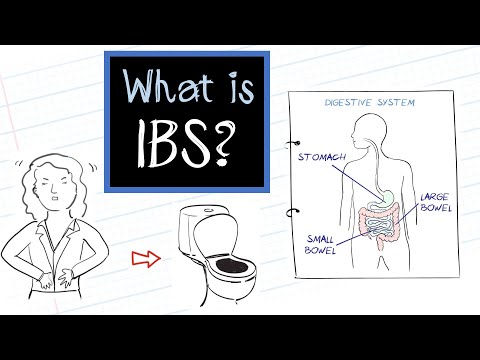


Irritable bowel syndrome is a gastrointestinal disorder that has many causes. Symptoms vary among individuals, but in general, overactive nerves and muscles in the gut may be to blame. It can also be brought on by emotional upset. In fact, half of those diagnosed with IBS attribute the start of their symptoms to some type of stressful event. This is because the symptoms tend to worsen during times of stress. Some people also experience intolerance to certain foods. However, this is not the primary cause and occurs only in a very small percentage of cases.
Symptoms
People with irritable bowel syndrome (IBS) often experience abdominal pain. These pains usually subside when a person has a bowel movement. They may also experience changes in stool frequency and consistency. The pain may be sharp or dull, or it may be accompanied by swelling of the abdominal area. Other symptoms may include mucus in the stool or incomplete emptying of the bowel after defecation. Some people also experience fatigue or headaches.
While there are no definitive cures for IBS, there are some treatments that can ease the discomfort associated with the condition. For example, keeping a food diary can help you identify triggers. Different types of food, the amount you eat, and your environment can trigger IBS. Once you know which foods trigger your symptoms, you can develop a plan to avoid them. To get started, fill out a diary as soon as you start experiencing any symptoms.
People with IBS can also try increasing the amount of dietary fibre that they consume. Some people may find that the symptoms of IBS improve by reducing their intake of dietary fats, monosodium glutamate, and sugar. Eating more vegetables and fruits may also help improve your symptoms. If you’re looking for an IBS treatment, you can also consider taking antispasmodic drugs to reduce your symptoms. However, you should note that the use of these drugs should limit and under the supervision of a physician.
Symptoms of IBS may be persistent, or they may be sporadic. If the symptoms are persistent or worsen, doctors may order a colonoscopy. However, this procedure is only recommended for people with serious conditions. People who suffer from chronic symptoms of IBS may benefit from other treatment options such as antidepressants and probiotics.
Symptoms of IBS can vary from person to person, but one common symptom is abdominal pain. Other symptoms of IBS include changes in bowel function. They may include bowel movement that is hard or lumpy, infrequent stools, and a feeling that the bowel is not emptying completely. Some individuals may also experience abdominal discomfort that may require changing body position or pressing on part of the body in order to pass a stool. However, once a bowel movement is completed, the abdominal discomfort often subsides.
Causes
Several factors contribute to the development of IBS. One of these factors is the consumption of certain foods. Alcohol, chocolate, and caffeinated drinks can aggravate symptoms, while certain carbs (FODMAPs) can also be a trigger for the disease. Changing the way you eat can help you overcome IBS symptoms. Eating smaller meals more frequently will help you avoid constipation and bloating, and eating high-fibre foods can help you move food through the intestines more easily. Whole grain bread, cereals, and fruits are good options for people with IBS. However, there are certain vegetables that should be avoided due to their high gas-producing properties.
In order to successfully treat IBS, it is important to identify the specific causes and triggers. In some cases, symptoms may go away only to recur. While you are undergoing treatment, you should consider minimizing the occurrence of your symptoms, as you may experience recurrences of the condition. Generally, IBS is not dangerous to your health, and it does not increase your risk of cancer or other bowel-related diseases.
Some experts believe that a combination of several factors can cause IBS. Stress in early childhood, and changes in gut microbes may be responsible for some cases of IBS. However, these factors are not conclusive. Regardless of the underlying cause, the condition can affect a person’s quality of life and affect their self-image.
Blood tests and stool tests are important in diagnosing IBS. These tests can rule out other gastrointestinal diseases. Blood tests can be helpful in identifying the presence of coeliac disease. However, you should not make any changes to your diet until you receive an accurate diagnosis. For example, your diet can affect the results of a blood test for coeliac disease, and private allergy tests may not be reliable.
An increased amount of bacteria in the small intestine is one of the main causes of IBS. This overgrowth of bacteria can occur due to various factors including a poor diet, intestinal blockages, and medications. People with IBS may also have problems digesting carbohydrates, which can lead to bloating, gas, and other unpleasant symptoms.
Treatments
There are many different IBS treatments available. One of the most common is prophylactic medication. This type of medication can reduce symptoms by inhibiting the production of acetylcholine, a neurotransmitter that controls muscle contractions. Although it is effective in the short term, it can have side effects, such as constipation. It is important to discuss the risks and benefits with a doctor before taking any medication.
Another way to treat IBS is through dietary changes. People with this condition should avoid high-fat and dairy products, as well as alcohol, caffeine, artificial sweeteners, and wheat. They should also try to eat smaller amounts more often. It can also be helpful to keep a food diary to figure out which foods trigger their symptoms.
There is no specific test for diagnosing IBS, but doctors will look at your medical history and physical examination to rule out any other health issues. If you experience diarrhoea and constipation regularly, you may be suffering from IBS. Depending on the symptoms, a doctor may recommend certain dietary supplements or probiotics as a way to alleviate symptoms.
Antibiotics can also help people with IBS to manage SIBO. Antibiotics work by killing bacteria in the gut that are not helpful. They can be taken as yoghurt, drinks, or pills. However, it is important to talk to a healthcare practitioner before starting any medication. In some cases, lifestyle changes alone can lead to a greater improvement in symptoms than conventional treatments.
While pharmacological interventions are not usually the first line of treatment for IBS, they may be useful for some people. In particular, medication can reduce abdominal pain, relieve bloating, and alleviate stress. These therapies are most effective when paired with individualized management. You should always seek medical advice before starting any new therapy for IBS.
Alternative medicine is also an effective option. The use of acupuncture is an ancient tradition, and it believes that illnesses arise when the flow of qi blocks. Acupuncture uses fine, sterile needles to restore a balance in the body. Although studies on acupuncture have been mixed, it is worth exploring as an alternative to conventional medicines. In addition to treating physical symptoms, acupuncture is also effective for stress reduction and depression.
Complications
Several complications of IBS can develop over the course of the condition. Some patients may experience diarrhea, hemorrhoids, or both. Aside from the physical discomfort, people with IBS can experience anxiety and stress. In severe cases, antidepressants may prescribe to alleviate symptoms. However, these drugs can cause side effects, and they are usually only prescribed for very severe cases.
Symptoms of IBS can include painful hemorrhoids. These can treat with topical creams such as hydrocortisone, a corticosteroid. Surgical procedures are also available to reduce the symptoms of hemorrhoids. Some of these treatments include rubber band ligation (surgically placing a surgical rubber band around the hemorrhoids) or sclerotherapy (injection of a solution into the hemorrhoids). Depending on the severity, other treatment options may include infrared photocoagulation, which causes scar tissue to form.
In addition to lifestyle and dietary changes, physicians may also recommend colonoscopy to rule out serious intestinal problems. Certain foods are likely to trigger symptoms and should be avoided. Other treatments may include psychotherapy and cognitive therapy. A gastroenterologist will be able to prescribe a treatment plan for you based on your symptoms.