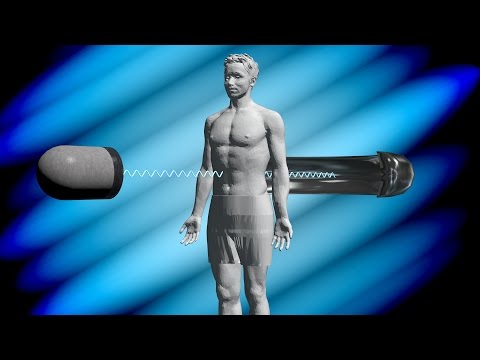


A CT scan is a medical imaging procedure that provides detailed images of internal structures of the body. It is, performed by personnel called radiology technologists or radiographers. To learn more about a CT scan, read on. This article will discuss the process involved in getting a CT scan and the types of X-rays used.
Details of a CT scan
A CT scan is a diagnostic test that produces detailed images of your body. The CT scanner creates these images by rotating a source of X-rays and a detector assembly. It is, used to diagnose many conditions and may even eliminate the need for exploratory surgery. The images can be displayed in three dimensions, which can help the physician pinpoint the location of a problem.
During the test, you will be asked to lie still on a narrow table. Your technologist may also insert an IV catheter. You will also be asked about any metal devices, medications patches, or allergies. You will likely hear clicking and be given a call button if you want to speak with them. During the scan, the X-rays will pass through your body for short periods of time.
CT scans are more detailed than standard X-rays. While regular X-rays can provide a lot of information, they don’t provide the same level of detail. Because CT scans are able to detect tiny details, they are a great tool for diagnosing a variety of medical conditions.
The procedure lasts between ten and thirty minutes, depending on the area being studied. The CT scan is, read by a radiologist who is, experienced in reading radiologic images. The results are usually available within an hour or so. The results of the scan are then sent to a physician who specializes in the diagnosis of your condition.
The CT scan uses contrast material, which makes it easier for the doctor to see structures that are, otherwise hidden. It can help detect tumors and blood clots in your body, and can help your doctor better determine the course of treatment. It can also help guide radiation therapy. By comparing the results of your scans, your doctor can determine whether your treatments are working.
Patients who are having a CT scan using contrast materials should not eat three hours before their procedure. Instead, they should drink clear liquids for three hours before the examination. Patients with diabetes should avoid eating a heavy meal four hours before the procedure. For this reason, it is important to arrive early. A few hours before your appointment will allow the lab to run on schedule and ensure that your CT scan is as accurate as possible.
X-rays used
A CT scan uses X-rays to create images of the human body. Dense matter absorbs the radiation while soft tissues and breaks in bone let it pass. X-rays are, typically taken from multiple angles to detect any injuries or other problems. The images of a patient’s body are, then developed, written on a CD, and viewed on a computer screen.
The computer that operates the CT machine uses sophisticated mathematical techniques to reconstruct the images into two-dimensional slices. Each slice is typically one to 10 millimeters thick. Once the full slice has been created, the computer stores the image. The motorized bed then advances incrementally into the gantry, and the x-ray scanning process is, repeated again to make the next slice. This process continues until the desired number of slices is, collected.
CT scans can take ten to thirty minutes to complete. The images are, then reviewed by a radiologist who specializes in interpreting radiologic images. Often, patients will receive results within an hour or less, which is convenient in an emergency situation. If you are undergoing this procedure, consult with your healthcare provider to determine if it’s appropriate for you.
While CT scans are highly effective for diagnosis, they also carry risks. CT scans expose a patient to ionizing radiation that is higher than plain X-rays. Moreover, CTs use a high amount of radiation, which can alter human tissue and create free radicals that can cause problems in the human body. In some cases, the body can repair damage caused by CT radiation, but in other cases, the damage may result in cancer.
A CT scan can be extremely beneficial for the diagnosis of complex bone fractures, severely eroded joints, and bone tumors. The images produced by CT scans are more detailed than conventional x-rays. The images are, also used to implant tubes into the body.
CT scans use ionizing radiation to create cross-sectional images of the body. The images can reveal internal organs, blood vessels, soft tissues, and bones. The CT scan is more expensive than an X-ray, and is not always available in small hospitals or rural clinics.
Contrast medium used
Some CT scans use a contrast material that blocks the X-rays. This contrast material appears white on the images and can help doctors focus on different structures such as blood vessels and the intestines. Contrast agents can be given by mouth or can be injected through a vein in the arm. Patients should expect to feel warm during the injection and may experience a metallic taste in the mouth.
The radiologist who is performing the procedure will decide whether or not to use a contrast medium. They will base this decision on information provided by the patient and their medical history. They will also take into account what part of the body is being, scanned. Contrast medium is not necessary for all types of imaging tests, but it can make for more accurate, high-quality images.
The risk of hypersensitivity to contrast agents is low and most patients will not experience severe side effects. However, some patients may develop anaphylactic reactions or experience breathing difficulty. Patients should be aware of any allergies and discuss them with their physician. The informed consent form will provide information about any potential risks associated with contrast media.
Contrast media is, used to enhance the contrast in a CT scan. These radiopaque materials are generally iodine or barium-based. Iohexol is one of the common, iodine-based contrast agents, used on CT scans. It is a member of the iodine-benzene group and is highly water-soluble. It is, estimated that about ten million litres of contrast medium are, used each year.
Contrast material pharmacokinetics are important for optimizing the contrast enhancement in clinical CT scans. These materials are, absorbed by the body and eliminated in the urine or bowel movements. This prevents a negative effect on the body’s organs. It is also important to ensure that patients are, given the correct dose for their specific medical conditions and to ensure the correct timing of the scan.
Contrast media help radiologists see internal structures and organs more easily than normal. They improve the imaging quality of the images and help them diagnose diseases better. They do not cause any harm to the patient but can make it easier for them to spot any abnormalities.
After-effects of a CT scan
CT scans are, used to detect diseases and other conditions. They often use contrast materials to enhance images. These substances are, usually given through a vein in the arm or rectum. Although most people do not experience after-effects from these treatments, some people can have an allergic reaction.
A CT scan is a useful diagnostic tool because it provides more information than other imaging tests. It can even be used to carry out a biopsy in some cases. A CT scan will often include contrast dye to help technicians better see your internal organs and blood flow. In addition, you may need to avoid eating for a certain amount of time before the scan.
The CT scan itself is not painful. Most people experience only minimal discomfort. However, a CT scan can cause some side effects, including the possibility of an allergic reaction to contrast dye. This reaction may cause rash, itching, or difficulty breathing. Your doctor will discuss any side effects with you before the scan.
After-effects of a CT scan include nausea, vomiting, and temporary constipation. Depending on the type of scan you’re having, the contrast material may be injected in your rectum for abdominal images, or may be administered intravenously. If your doctor has recommended a CT scan, be sure to discuss the procedure with your physician.
The CT scan may also require you to remove some clothing. It is important to choose clothing that is comfortable, but not tight. You should also avoid metal items to ensure your comfort during the scan. Metal objects, such as piercings or eyeglasses, can affect the quality of your images. In addition, some CT procedures may require you to avoid certain foods or drinks. For example, you should avoid consuming caffeine and alcohol the day before the scan.
Patients who undergo an abdominal CT scan may be given an iodinated contrast liquid prior to the scan. Fasting for about two hours before the scan is, recommended to avoid dehydration. It is, also recommended that you stop taking certain medications during the fasting period. Some patients are, also required to take an oral contrast, which contains a liquid containing barium or diatrizoate sodium.