


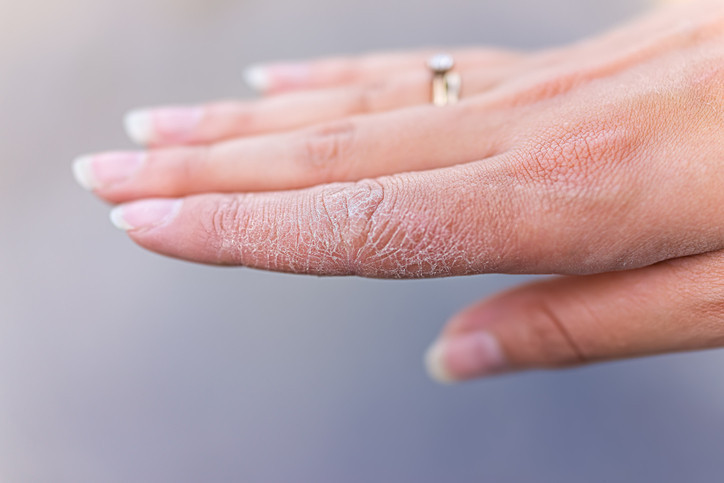
Dry skin patches can cause by a variety of conditions. These include eczema, ringworm, and seborrheic dermatitis. However, some conditions are, less easily treated, and are, best treated with topical creams. These can help alleviate the symptoms of dry skin patches.
Seborrheic dermatitis
Dry skin patches caused by seborrheic dermatitis are a common skin disorder that can develop in the earliest months of a baby’s life. These scaly, red patches are, often mistaken for cradle cap and usually go away on their own within a year. The patches can develop in the face, groin, or underarm folds.
Treatment options for dry skin patches due to seborrheic dysplasia include topical corticosteroids. These medications are effective at reducing the inflammation, erythema, and itchiness that are common with seborrheic dermatitis. These medicines usually come in the form of ointments and creams. However, they can cause other unpleasant side effects such as redness, excessive sweating, and skin peeling.
The best way to treat dry skin patches caused by seborrheic dermatitis is to treat the underlying condition. Medicated shampoos and topical treatments containing zinc, coal tar, and zinc may help relieve symptoms. You may also need to undergo phototherapy, which involves exposure to ultraviolet light.
While there is no specific test for seborrheic dermatitis, doctors can usually make a diagnosis based on your symptoms. A doctor will ask you about your medical history and examine your skin. A skin biopsy may be necessary to rule out other skin diseases that look similar to seborrheic dermatitis.
Eczema
Eczema and dry skin patches are similar conditions that are not only uncomfortable but also irritating to the skin. It is best to consult a dermatologist to make a correct diagnosis. A proper physical exam and medical history will help a doctor determine if you or your child has eczema.
Discoid eczema is a form of eczema that begins on the legs and gradually spreads throughout the body. In some people, only one or two patches may appear, while others have many patches on their entire body. Discoid eczemas are usually worse during the winter months, and in cold climates. The condition tends to clear up when the skin gets enough sunlight.
There is a genetic predisposition for eczema, but climate and environmental factors also contribute to the condition. People with atopic dermatitis are more prone to developing it than people with non-atopic skin. Also, children with parents who suffer from the disease are more likely to develop eczema as well.
There are a variety of treatments available to treat the condition. Dermatologists recommend topical creams that will help relieve the itching. Some treatments are even able to relieve the pain associated with dry skin.
Ringworm
You might have heard of the common conditions eczema and ringworm, but did you know that they can be caused by the same fungus? The good news is that there are a few easy remedies for both. These include keeping the skin clean and not scratching it. This way, you reduce the risk of spreading the fungus.
One of the most effective treatments for ringworm is antifungal medicine. It can be found in the form of creams, sprays, and lotions. Some antifungal topical medications contain ketoconazole, while others contain clotrimazole. You can purchase these medicines over the counter or ask your doctor for a prescription.
To properly diagnose ringworm, a doctor must examine the affected area. A physician will look for red, circular rashes. In some cases, a skin biopsy may be required. If you suspect ringworm, call a dermatologist and schedule an appointment. He or she will discuss your symptoms and the treatment options.
Ringworm is a fungus that affects the skin and nails. It can be transmitted to humans and pets through direct contact or by sharing objects. A common source of ringworm is soil contaminated with the fungus. However, it can be difficult to identify until the infection has already begun. While ringworm affects people of all ages, children are especially vulnerable. If you think you might have ringworm, you should visit a dermatologist to make sure it isn’t a life-threatening condition.
Poison ivy
If you suspect that you have been exposed to poison ivy, there are several treatments you can try. One of these is applying a cornstarch or oatmeal paste to the affected area. Apply three to four times daily until the dry patches clear up. You can also try colloidal oatmeal, which can help you get rid of the itch and redness.
Poison ivy is a plant that grows across the U.S. and other countries. It can grow as a vine or low-growing shrub. Its leaves are three-pointed and change color with the seasons. The vines may also produce whitish flowers and berries.
When you come into contact with poison ivy, it can cause a rash that can last a week or more. If you scratch the affected area, you may cause an infection. The infection can spread to other parts of the body, so you must be careful.
In the case of severe poison ivy exposure, you should wear protective clothing such as long pants and long sleeves. Also, you should use an ivy blocker on your skin. You should also wash your hands and clothes after contacting poison ivy. Unlike most animals, humans are not allergic to the oil in poison ivy.
Several medications are available for poison ivy rashes. In severe cases, a doctor may prescribe a corticosteroid. A corticosteroid may also help reduce the itchiness.
Insufficient water intake
If you suffer from dry skin patches, it may be a sign of dehydration. The human body is, composed of approximately 55-60 percent water, so drinking enough water is essential for optimal health. Water helps flush toxins from the body and produces bodily fluids such as saliva. It also contributes to optimal muscle performance and clear skin. Dehydration can cause adverse side effects such as fatigue, headaches, weakened immunity, and dry skin.
Dehydration can also lead to dull skin and acne. It is important to increase water intake to flush out toxins and promote skin health. It may even be particularly important for the elderly and obese, who often suffer from dry skin. Even though dry skin is generally considered an inconvenience, it is a symptom of chronic dehydration that can be damaging to your health.
If you suspect that you have dehydration, the first step is to eat more plant-based foods, as this will help keep you hydrated. Also, cut back on dairy, sugar, and fried foods, which are high in saturated fats. These unhealthy fats affect circulation and rob your body of necessary nutrients. Additionally, you should also follow a nourishing skincare regimen to combat the topical symptoms of dehydration.
Lastly, it is important to consult a dermatologist if your dry skin is severe. This will help you determine whether it is a sign of a skin problem or a general health problem. In addition to addressing the symptoms, your doctor can prescribe skincare products and treatments to help manage your dry skin.
Genetics
Dry skin patches are a very common skin problem, and they can cause by a number of different factors. These include genetics, environmental factors, and your immune system. Regardless of the cause, the best way to prevent dry skin patches is to keep your skin hydrated internally and externally. This is something that everyone should do to keep their skin moisturized and healthy.
Dry skin is, caused by a lack of moisture in the outer horny layer of the skin. This leads to cracks in the skin’s surface. It can also be caused by certain medical conditions. One of these is atopic dermatitis. Other contributing factors to dry skin include malnutrition.
Researchers have found that the gene that produces the protective layer on top of the skin has mutated in some cases. This mutated gene causes the skin to become more vulnerable to infection and flare-ups. Environmental factors, such as the climate, may also play a role in the development of dry skin patches. People who live in dry climates or in cities with high levels of pollution are more likely to develop these conditions. Regardless of the cause, knowing your symptoms will help a dermatologist make an accurate diagnosis.
Although skin conditions such as eczema, kidney failure, or sjogren’s syndrome can increase your risk of developing dry skin, it is often a symptom of another problem. If your dry skin is chronic or persistent, it may be a sign of a serious medical problem. If you have severe patches that are difficult to treat, you should consult your primary care physician. In some cases, prescription medications may be able to help.


